
That Noise Isn't Normal — Here's What Your Garage Door Is Telling You
You press the button on your garage door opener, and instead of the smooth, quiet operation you're used to, you hear grinding, squealing, popping, or banging. It's unsettling — and for good reason. Strange garage door noises are almost always a sign that something needs attention.
As West Bend's trusted garage door service team, we hear about noisy garage doors all the time. Homeowners often wonder whether the sound is harmless or a sign of a bigger problem. The truth is, ignoring unusual noises can lead to costly repairs or even a safety hazard. In this post, we'll walk you through the most common garage door noises, what causes them, and what you should do next.
Grinding or Scraping Sounds
A grinding or scraping noise when your garage door opens or closes is one of the most common complaints we hear from homeowners in West Bend and surrounding areas like Hartford and Slinger. This sound typically points to one of a few issues:
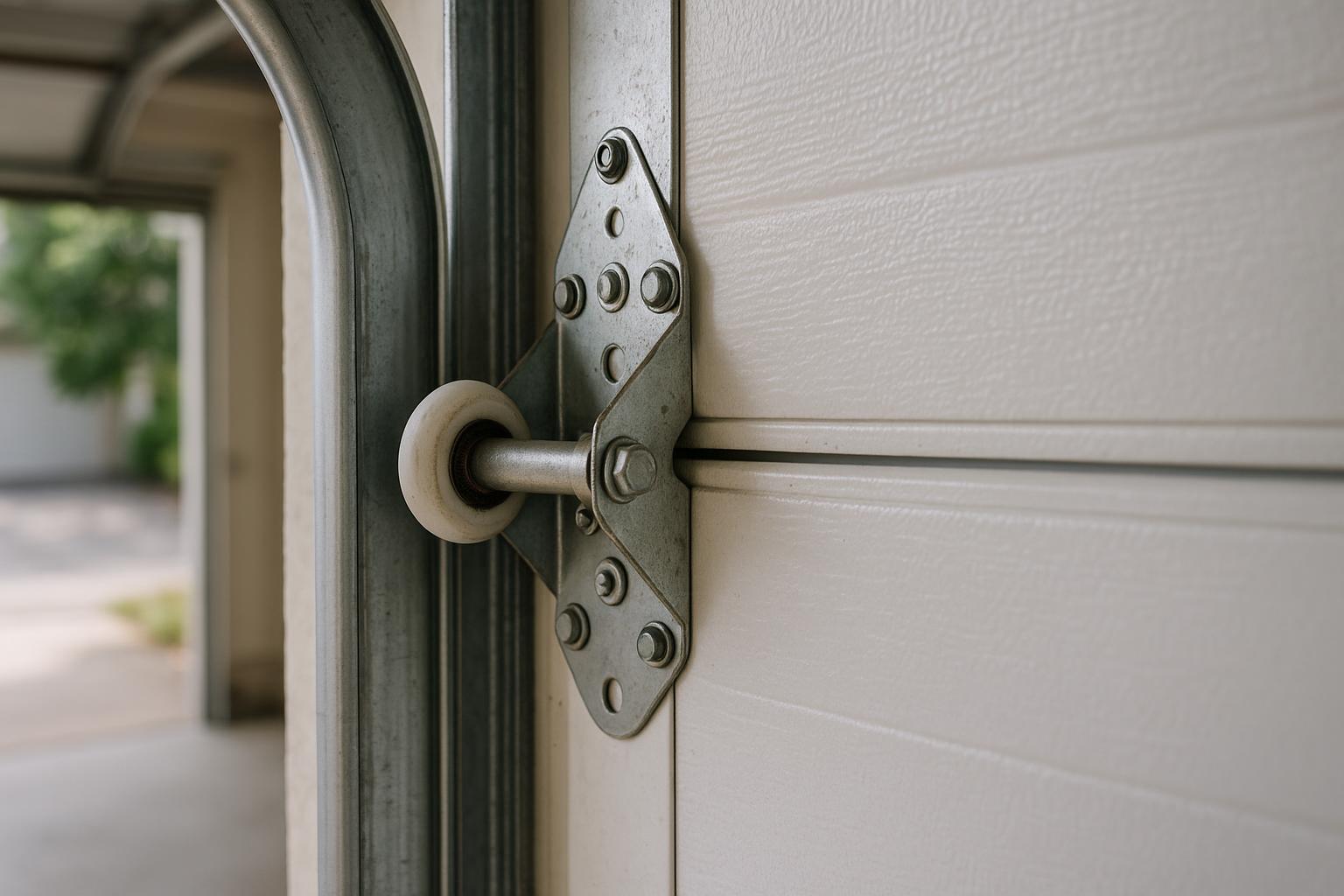
- Worn rollers: Metal rollers can wear down over time, causing them to scrape against the track. Nylon rollers are quieter and longer-lasting, and upgrading to them is a relatively simple fix.
- Misaligned tracks: If the tracks that guide your door are bent or out of alignment, the door can grind against them as it moves. This puts extra stress on the entire system and should be addressed quickly.
- Lack of lubrication: Dry metal parts rubbing together will produce grinding sounds. Regular lubrication of the rollers, hinges, and tracks can prevent this.
If you notice grinding, start by visually inspecting the tracks for obvious bends or obstructions. Applying a garage door-specific lubricant to the rollers and hinges may solve the problem. If the noise persists, it's best to have a professional take a look before the issue worsens.
Squealing or Squeaking Noises
High-pitched squealing or squeaking is hard to ignore — especially early in the morning when you're trying not to wake the whole house. Common causes include:
- Dry bearings or hinges: Just like a squeaky door hinge inside your home, garage door components need lubrication to operate smoothly.
- Worn torsion springs: Torsion springs bear an enormous amount of tension. As they age, they can begin to squeal during operation. This is a repair that should always be handled by a trained technician due to the danger involved.
- Old or deteriorating weather stripping: Sometimes the squeal isn't coming from the mechanical parts at all — it's the rubber weather seal dragging against the door or floor.
A quick application of white lithium grease or silicone-based lubricant to the springs, hinges, and rollers can often eliminate squeaking. Avoid using WD-40 as a long-term solution, as it's a solvent rather than a true lubricant and can actually attract dirt and grime over time.
Loud Banging or Popping
A sudden bang or pop from your garage door can be alarming. Here's what might be happening:
- Broken torsion spring: This is the most serious cause of a loud bang. When a torsion spring breaks, it releases a tremendous amount of stored energy and produces a sound that many homeowners describe as an explosion. If you hear this, do not attempt to operate the door. Call for emergency garage door service immediately.
- Loose hardware: Over time, the nuts, bolts, and brackets on your garage door can loosen due to the constant vibration of daily use. A loose bracket or hinge can cause popping or banging as the door moves.
- Panels flexing: Older or damaged panels may flex under tension, creating a popping sound. This is more common in single-layer steel doors.
We recommend checking and tightening all visible hardware every six months. If you suspect a broken spring, stay clear of the door and contact a professional right away. Our team serves West Bend, Jackson, Kewaskum, Germantown, and the surrounding communities with fast emergency response.
Rattling or Vibrating
A rattling garage door often sounds worse than it actually is, but it still deserves attention. Common culprits include:
- Loose chain or belt on the opener: If your garage door opener uses a chain drive, a loose chain can rattle and vibrate during operation. Belt-drive openers are generally quieter but can also develop slack over time.
- Loose nuts and bolts: As mentioned above, vibration from regular use can loosen fasteners throughout the door system.
- Unsecured opener mounting: If the garage door opener unit itself isn't firmly attached to the ceiling, the entire unit can vibrate and create a rattling noise.
Tightening the chain or belt tension according to your opener's manual can often resolve this. Check the mounting brackets for the opener as well, and make sure everything is snug and secure.
When to DIY and When to Call a Pro
Some garage door maintenance tasks are perfectly safe for homeowners to handle on their own:
- Lubricating rollers, hinges, and springs with a silicone-based spray
- Tightening loose bolts and brackets
- Visually inspecting tracks for debris or obvious damage
- Testing the auto-reverse safety feature on your opener
However, certain repairs should never be attempted without professional training and tools:
- Spring replacement: Torsion and extension springs are under extreme tension. Improper handling can cause serious injury.
- Track realignment: Adjusting tracks requires precision to ensure the door operates safely.
- Cable repair: Frayed or broken cables are under tension and can snap unpredictably.
- Opener motor or circuit board issues: Electrical components require expertise to diagnose and repair safely.
If you're ever unsure, it's always better to err on the side of caution. A quick service call can save you from a much more expensive repair — or a trip to the emergency room.
Keep Your Garage Door Quiet with Regular Maintenance
The best way to prevent strange noises is to stay ahead of them with routine garage door maintenance. We recommend having your garage door professionally inspected and serviced at least once a year. During a maintenance visit, our technicians will lubricate all moving parts, check spring tension, inspect cables and rollers, tighten hardware, and test the safety features on your opener.
For homeowners in West Bend and the surrounding areas, regular maintenance is especially important given our Wisconsin weather. Temperature swings between summer and winter cause metal components to expand and contract, which accelerates wear and can lead to unexpected failures.
West Bend Garage Door Co Is Here to Help
If your garage door is making a noise that doesn't sound right, don't wait for it to become a bigger problem. West Bend Garage Door Co provides fast, honest, and affordable garage door repair and maintenance for homeowners throughout West Bend, Hartford, Slinger, Jackson, Kewaskum, and Germantown. We show up on time, diagnose the issue accurately, and get your door running smoothly again.
Contact us today to schedule a service call or to ask about our maintenance plans. Your garage door works hard for you every day — let's make sure it stays quiet and reliable for years to come.